














Persian Silk Rugs
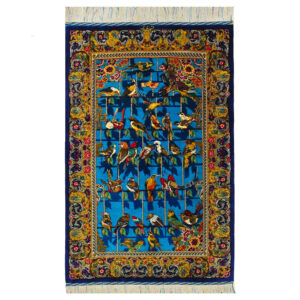
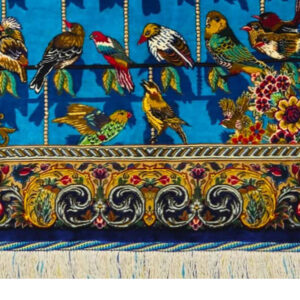
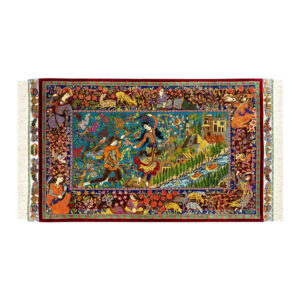
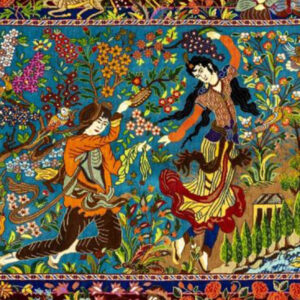
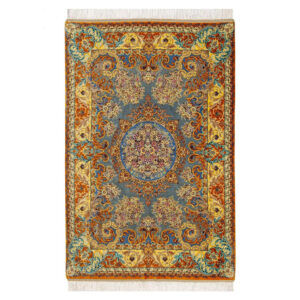
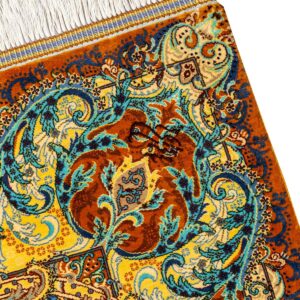
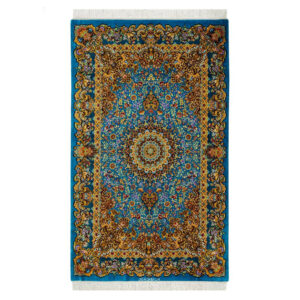
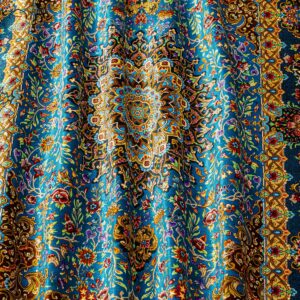
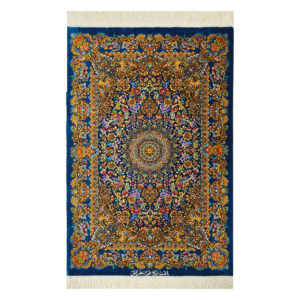
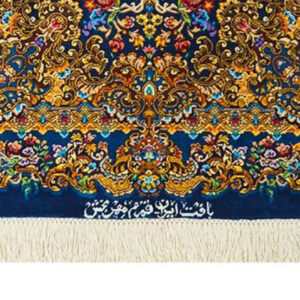
Mehrebakhsh Qom Rug, All Silk Rug Medallion – Navy Blue (60×90 cm)
Original price was: €2,000.0.€1,900.0Current price is: €1,900.0.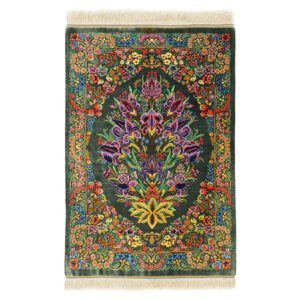
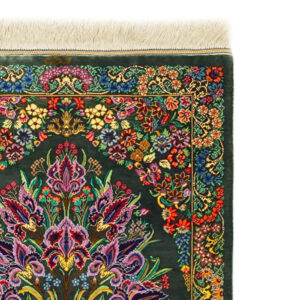
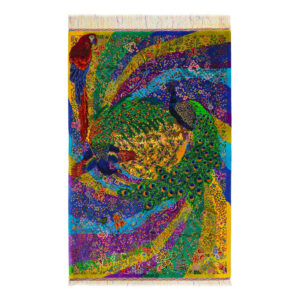
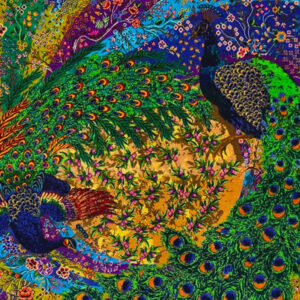
Arablou Full Silk Qom Rug with Green Field (60×90 cm)
Original price was: €3,000.0.€2,600.0Current price is: €2,600.0.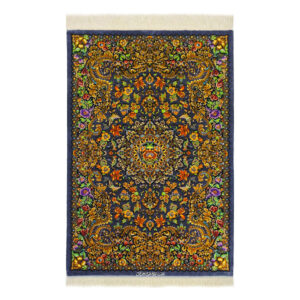
Mehrebakhsh Full Silk Rug – Classic Lachak-Toranj Pattern, 120×80 cm
Original price was: €3,000.0.€2,700.0Current price is: €2,700.0.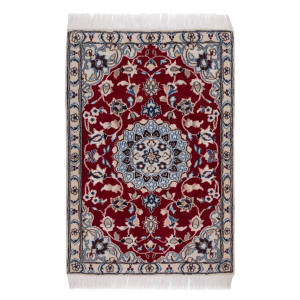
Persian Style, Hand woven Area Rug, 0.5 m², Code 163047
Original price was: €750.0.€290.0Current price is: €290.0.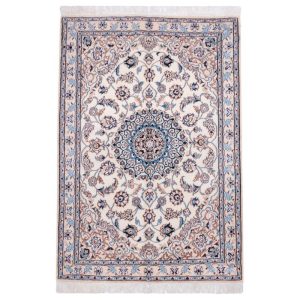
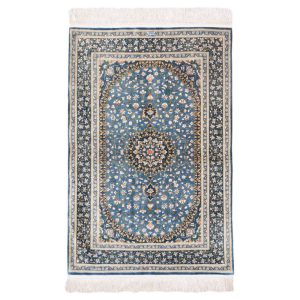
1 m², handmade carpet of Persia, code 172114
Original price was: €3,311.0.€2,900.0Current price is: €2,900.0.


How to buy the best Persian silk rugs
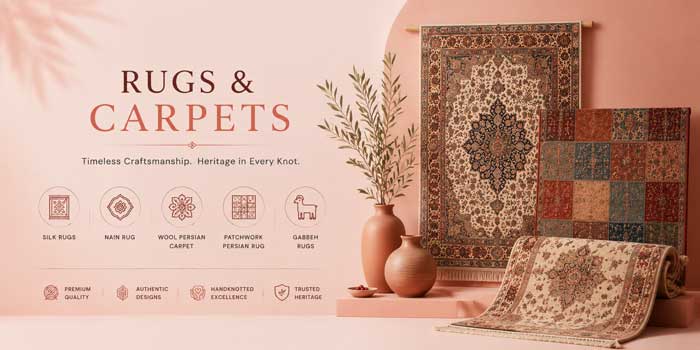
A Persian handmade silk rug is not furniture — it’s a woven painting that happens to lie on your floor. The combination of natural silk fiber, hand-tied knots counted in the hundreds per square inch, centuries of regional design tradition, and the unique optical quality of silk that shifts color as light moves across the pile creates something that no machine can replicate and no synthetic material can approach.
At Ersaly online store, we source genuine Iranian silk rugs and gabbeh rugs directly from master weavers and established workshops across Iran’s most celebrated weaving cities (Qom, Tabriz, Isfahan, and Nain) and ship them worldwide with full provenance documentation.
Why Choose Persian Handmade Silk Rugs?
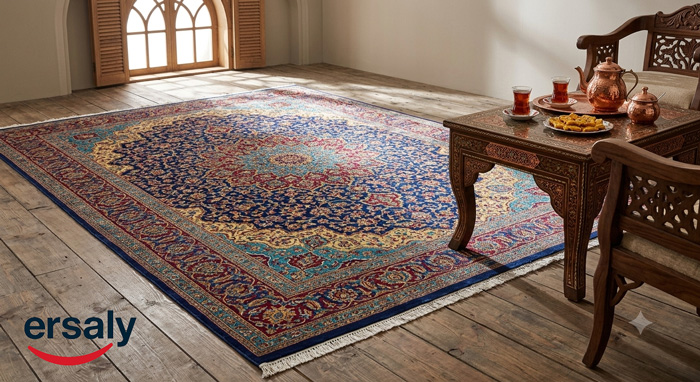
The straightforward answer is that nothing else looks or feels the same. But the longer answer is worth understanding, because it explains why Persian silk rugs command the prices they do, and why they’ve done so for centuries.
Silk is a uniquely exceptional material for rugs. Its natural protein fiber catches and reflects light in a way that wool and synthetic materials cannot. The result is a pile that appears to change color as you walk around it deeper in one direction, lighter in another, with highlights that shift like moving water. This optical effect is called chatoyance, and it’s inherent to silk itself, not a treatment or finish that wears off over time.
The knot density achievable with silk has no equivalent. Because silk thread is far finer than wool, weavers can tie significantly more knots per square inch allowing for design complexity and pictorial detail that wool simply cannot support. Qom silk rugs can exceed 400 KPSI, and the finest Isfahan pieces reach 600+. At those densities, a rug stops being a textile and becomes something closer to a pointillist painting one where each knot is a pixel and the image achieves photographic precision.
Iran’s weaving tradition is unmatched in depth. wool persian carpet has been practiced continuously for over 2,500 years. The design vocabularies of Qom, Tabriz, Isfahan, and Nain have been refined by generations of master weavers who spent their entire careers perfecting a single style. What you get when you buy an Iranian silk rug isn’t just a beautiful object — it’s the output of an unbroken artistic tradition.
They appreciate in value. Authentic handmade Persian rugs from established weaving regions can be solid investments, with genuine antique pieces consistently appreciating between 3–8% annually. A machine-made reproduction will never appreciate; a genuine Iranian silk rug from a recognized weaving center often does.
Popular Types of Persian Silk Rugs
Iran’s silk rug tradition is not monolithic — each weaving city has its own distinct character, technique, and aesthetic identity. Here’s how the major centers differ:
Qom Silk Rugs
Qom silk rugs are widely considered the gold standard of modern silk rug weaving. The city of Qom (also spelled Qum) produces exclusively all-silk rugs — silk foundation, silk warp and weft, silk pile — which allows for extraordinary knot density and luminosity. Designs range from traditional Persian floral medallions and garden scenes to hunting carpets and pictorial tableaux of extraordinary detail.
Many Qom rugs are purchased as wall art rather than floor coverings — not because they can’t be walked on, but because the level of artistic achievement demands a setting where the full design can be seen.
A fine Qom silk rug in a room is the equivalent of hanging an original painting on your floor. Prices reflect this: a quality Qom silk rug is an investment-grade purchase, and its value tends to hold or grow over time.
Tabriz Silk Rugs
Tabriz is technically refined, often with medallion-and-corner designs and a wide range of quality. While many Tabriz rugs are wool, full-silk Tabriz rugs and ardabil rug represent some of the finest pieces ever produced in this ancient weaving city — which has been a major center of rug production since the Safavid dynasty.
Tabriz silk rugs are known for their precise technical execution, wide range of design vocabulary (from classical Persian floral to hunting scenes to pictorial landscapes), and the consistency of their workshop production.
Tabriz rugs offer solid investment potential, particularly pieces featuring the traditional herati pattern or hunting scenes. For buyers who want a prestigious all-silk rug with a strong market reputation, Tabriz is one of the most recognized names globally.
Isfahan Silk Rugs
Isfahan rugs are among the most technically refined in the entire Persian tradition. Isfahan rugs command premium prices and hold value exceptionally well — the silk highlights, incredibly fine weaving often reaching 600+ knots per square inch, and distinctive floral patterns make them instantly recognizable to collectors.
Isfahan silk rugs typically feature a silk foundation (warp and weft) with a silk or mixed silk-wool pile. The designs are deeply classical: elaborate arabesques, intricate floral medallions, and curvilinear compositions that reflect the city’s history as one of Iran’s greatest imperial capitals.
An Isfahan silk rug with a master weaver’s signature (mohr) is among the most collectible objects in the entire decorative arts world. For buyers who want the blue-chip end of the Persian rug market, Isfahan is the category to know.
Nain Silk Rugs
Nain rugs have a distinct visual identity: ivory or cream grounds with delicate blue, navy, and terracotta floral patterns, and characteristically fine knotting with silk highlights that give the design outlines their sharp definition. Nain rugs are priced from $8,000 to $40,000 for a 9×12 piece — fine wool with silk highlights representing exceptional value in the Persian rug market.
What distinguishes Nain silk is its restraint. Where Qom and Isfahan push toward maximum complexity, Nain achieves elegance through a slightly softer palette and more open ground. The result is a rug that works beautifully in both traditionalest and contemporary interiors — the ivory base and delicate silk-highlighted borders adapt to a wide range of room styles without overpowering them. u can buy nain silk rugs from ersaly shop with the best price and quality.
Features of Premium Silk Carpet and Rugs
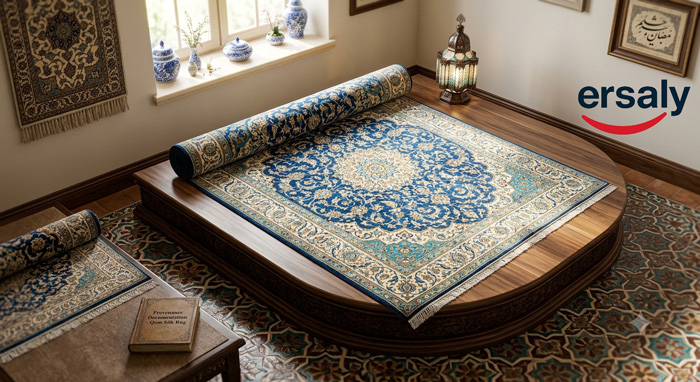
Understanding what separates a premium Persian silk carpet from an ordinary one helps you make an informed purchase and recognize quality when you see it.
Natural silk fiber. The finest Iranian silk rugs use mulberry silk — the same protein fiber used in high-grade textiles — for the pile. This is what creates the characteristic sheen and chatoyance. Artificial silk (mercerized cotton or synthetic fiber) lacks this quality entirely; it looks flat under light rather than luminous, and the color doesn’t shift.
All-silk or silk-highlighted construction. Premium rugs are either all-silk (pile, warp, and weft all silk — the Qom standard) or silk pile on cotton foundation. The foundation material affects the rug’s drape and dimensional stability; silk-on-cotton is excellent for floor use and is how most fine Nain and Tabriz pieces are made.
Natural vegetable dyes. Traditional Persian rug colors come from plant and mineral sources: madder root for reds, indigo for blues, pomegranate rind for yellows and greens. These dyes develop a characteristic abrash — subtle color variation within a single hue — that is impossible to replicate synthetically and becomes more beautiful with age. Synthetic dyes are uniform and flat; they fade. Natural dyes mellow and deepen.
High knot density. High-density rugs of 300+ KPSI are very delicate and detailed, typically found in silk or city rugs. You can verify knot density yourself by flipping the rug and counting the knots visible in a one-inch square on the back. The higher the count, the finer the detail and the more labor-intensive the piece.
Design precision and symmetry. In a premium silk rug, the pattern is geometrically precise — medallions are centered, floral motifs are symmetrical, and the border pattern aligns correctly at every corner. This precision is a sign of a skilled weaver working from a professional cartoon (pattern template), not an improvised design.
How to Identify Genuine Persian Silk Rugs
The market contains machine-made rugs, hand-tufted rugs, and synthetic-silk fakes sold as genuine handmade Persian silk. Here’s how to tell the difference:
1- Check the back
A genuine hand-knotted rug shows individual knots on the back — you can see the pattern mirrored in the pile structure, and the knot count is visible. A machine-made rug has a uniform, grid-like back that looks mechanically consistent. A hand-tufted rug has a canvas backing glued over the pile to hide the construction method.
2- The burn test for silk
Pull a single thread from the fringe. Genuine silk, when burned, smells like burning hair and self-extinguishes immediately when the flame is removed, leaving a crushable ash. Synthetic fiber melts, drips, and smells like burning plastic. Wool also curls away from the flame and smells like burning hair; the self-extinguishing behavior distinguishes silk from synthetic.
Pile direction and sheen
Stroke the pile in both directions — a silk rug’s color will visibly shift depending on which direction you’re brushing. This is the chatoyance effect and it’s a reliable confirmation of genuine silk fiber. Synthetic silk looks flat regardless of angle.
Feel the weight and texture
Natural silk has a characteristic cool, smooth touch and a surprising density for its visual delicacy. Artificial silk (viscose/rayon) feels slightly rougher or softer-artificial, and a fully synthetic pile will feel noticeably less substantial.
Verify the origin
Ask for provenance documentation — ideally a certificate or invoice stating the rug’s weaving city, approximate knot count, materials, and dimensions. At Ersaly, every silk rug ships with full documentation of its origin and construction.
Benefits of Investing in a Persian Silk Carpet
They appreciate over time. Rugs with knot densities above 400 KPSI, natural dyes, and documented provenance consistently outperform the market. While no investment is guaranteed, genuine Iranian silk rugs from recognized weaving centers have historically held and grown in value over decades in a way that machine-made rugs never will.
They outlast almost everything else in your home. A genuine hand-knotted silk rug, properly cared for, can last 100–200 years. The silk fibers are stronger than they appear; the hand-knotted construction distributes wear evenly across millions of individual knots; and the natural dyes don’t fade the way synthetic colors do. You’re not buying a rug — you’re acquiring something you’ll pass on.
They transform a room. There is no interior design shortcut that delivers what a Persian silk rug delivers. The color, the sheen, the pattern complexity, and the cultural weight of the object create a focal point that can anchor an entire room’s aesthetic. Interior designers consistently rank fine Persian rugs among the most versatile and high-impact elements in a space.
They’re portable art. Unlike wall art, a silk rug can travel with you, be displayed differently at different times, and serve both functional and artistic roles simultaneously. It’s one of the few luxury objects that is genuinely useful as well as beautiful.
Persian Silk Rugs for Sale: How to Choose the Right Rug
Selecting the Right Size
Size is the most common buying mistake. A rug that’s too small for a room floats unanchored; a rug that’s too large overwhelms the space. The general rules: in a living room, the front legs of all major furniture should rest on the rug. In a dining room, the rug should extend at least 60cm beyond the table on all sides so chairs remain on the rug when pulled out. In a bedroom, the rug should extend 45–60cm beyond the bed on the sides and foot. Measure your space carefully before choosing a size.
Choosing the Right Design
The design question is partly aesthetic and partly spatial. Medallion designs (central motif with surrounding field) work best in formal rooms where the rug is the visual centerpiece — they demand attention and work best in rooms with simpler furniture. All-over repeat patterns (herati, boteh, mina khani) are more versatile — they read as rich and complex without demanding a specific orientation or focal hierarchy. For contemporary interiors, the ivory-ground Nain style and certain Isfahan compositions adapt naturally to modern furniture without looking out of period.
Understanding Quality Indicators
Three numbers tell most of the story: knot density (KPSI), size, and age. Authentic Persian rug prices typically run $50 to $400 per square foot for hand-knotted work — numbers significantly below this range for an item claiming to be genuine hand-knotted silk should raise immediate questions. Knot density can be verified by flipping the rug and counting; a genuine high-quality silk rug should show 200+ KPSI minimum, with fine pieces at 400+.
Authenticity and Certification
Documentation is the cheapest insurance you’ll ever buy. A Persian rug with verified provenance, master signature, and dated origin can be worth 2–4× the price of an identical-looking piece without paperwork. At Ersaly, every silk rug includes full origin documentation — weaving city, approximate knot count, materials, dimensions — providing both purchase protection and the foundation for a future resale or insurance appraisal.
Where to Use Persian Silk Rugs in Your Home
Living Rooms
The living room is the most natural home for a Persian silk carpet — it has the visual footprint to display the full design and the traffic level where the rug’s quality becomes a daily presence. For large formal living rooms, a Qom or Isfahan medallion rug works as the room’s primary art piece. For more casual living rooms, a Nain with its ivory ground and delicate blue-terracotta palette creates warmth without formality.
Dining Rooms
Dining rooms are excellent for Persian silk rugs because foot traffic is moderate and the furniture arrangement is predictable. Choose a size that extends generously beyond the table (60cm minimum on all sides) and a design that works with your chair colors and table style. The Tabriz medallion format — with its strong central motif and clear border — defines a dining space beautifully and holds up visually under a large table.
Bedrooms
A silk rug in a bedroom is a genuine luxury — the sensation of stepping onto genuine silk pile when you get out of bed each morning is one of those small daily pleasures that accumulates. For bedrooms, consider placing the rug under the lower two-thirds of the bed so it extends generously beyond the foot and sides. A smaller Qom or Nain piece works beautifully as a bedside rug in a large bedroom.
Home Offices
Persian silk rugs are increasingly popular in home offices and studies — the combination of quiet color, visual complexity, and cultural weight creates an environment that feels considered and distinguished. An Isfahan rug with its deep blue and ivory palette and fine floral detail brings intellectual character to a workspace in a way that standard office flooring simply doesn’t.
Caring for Your Persian Handmade Silk Rug
Silk is durable but requires specific care to maintain its beauty and value over generations.
- Rotate regularly. Rotate your rug 180° every 1–2 years to ensure even wear and exposure to natural light. Uneven light exposure over years can create noticeable color differences.
- Use a rug pad. A quality non-slip rug pad under a silk rug protects the pile from abrasion with the floor, prevents slipping, and extends the rug’s life significantly. Make sure the pad is slightly smaller than the rug so it doesn’t show.
- Vacuum correctly. Vacuum in the direction of the pile, never against it. Use a suction-only attachment — never use a rotating brush bar on hand-knotted silk, which can loosen and pull individual knots over time. For very fine Qom pieces, hand-shaking or gentle beating is preferable to vacuuming.
- Address spills immediately. Blot (never rub) liquid spills immediately with a clean white cloth. Work from the outside of the spill toward the center to prevent spreading. Do not use standard carpet cleaning products — the chemical pH can damage natural dyes and silk fiber. For significant stains, contact a specialist in fine rug cleaning.
- Professional cleaning only. Fine Persian silk rugs should be professionally cleaned every 3–5 years, by a specialist who works with natural-fiber rugs and understands the specific requirements of vegetable-dyed silk. A standard carpet cleaning service should not be used on these pieces.
- Protect from prolonged direct sunlight. Sustained UV exposure will fade even natural vegetable dyes over time. Rotate your rug seasonally and use window treatments or UV-filtering film on windows that receive strong direct sun.
- Store properly when not in use. Roll the rug (never fold it — folding creates permanent creases in silk) around an acid-free tube, wrap in breathable cotton cloth, and store in a cool, dry place away from direct light. Moth protection is essential for storage periods over a few months.
Shop Authentic Persian Handmade Silk Rugs
Ersaly sources genuine Iranian silk rugs directly from workshops and master weavers in Qom, Tabriz, Isfahan, and Nain — the four cities that define the pinnacle of Persian silk weaving. Every rug in our collection is verified for authenticity, photographed in detail before listing, and ships with full provenance documentation.
When you order from Ersaly, you receive the rug’s weaving origin, approximate knot count, materials, dimensions, and a certificate of authenticity. We photograph your specific rug before dispatch so you can see exactly what you’re receiving. Orders ship worldwide — to the United States, United Kingdom, UAE, Australia, Canada, Germany, Switzerland, Sweden, and dozens of other countries — with full tracking and insurance from Iran to your door, typically arriving in 7–16 days.
Our team is available 24/7 for questions about specific pieces, sizing advice, interior design guidance, or any aspect of your order.