











Iranian Herbal Tea


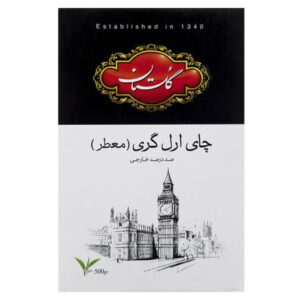

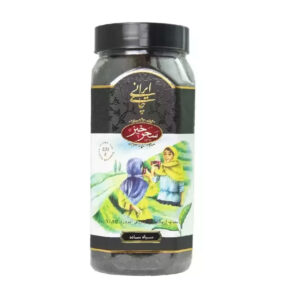
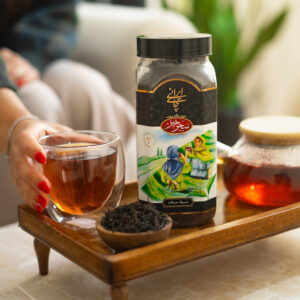
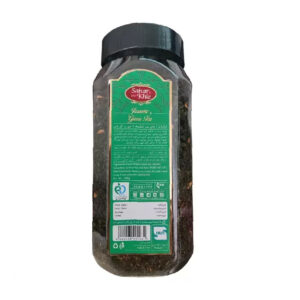
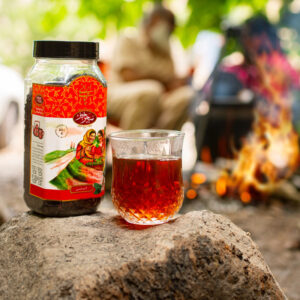
500 grams, Golestan black tea, premium model of India
Original price was: €39.0.€29.0Current price is: €29.0.
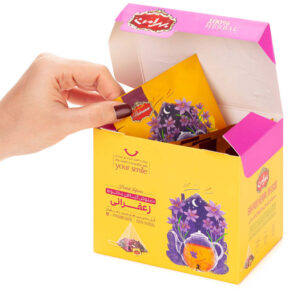
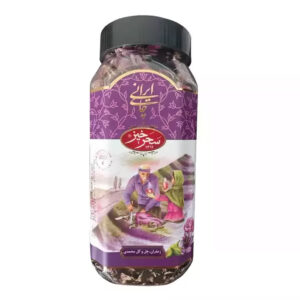
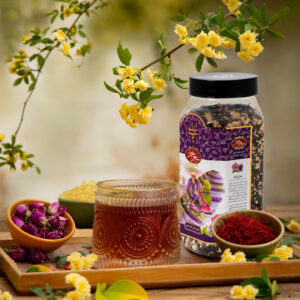
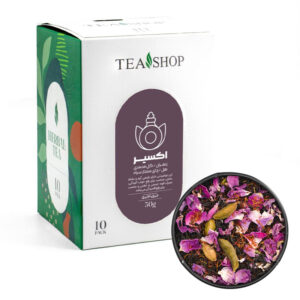
Saffron Herbal Infusion Tea Bag, with Cardamom and Rose buds
Original price was: €45.0.€39.0Current price is: €39.0.


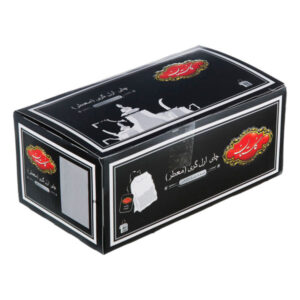


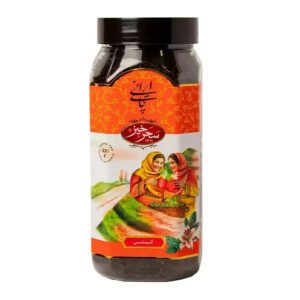
100 pcs package, Golestan black tea bags, Earl Gray model
Original price was: €35.0.€29.0Current price is: €29.0.
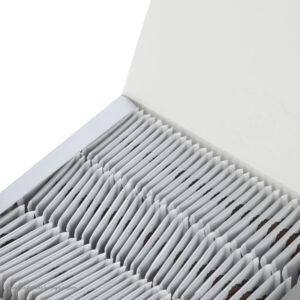

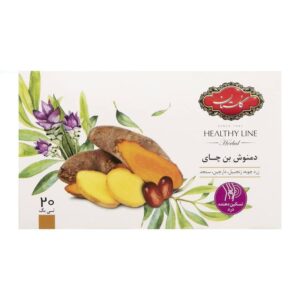
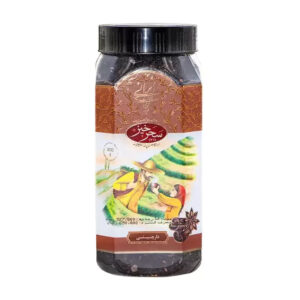
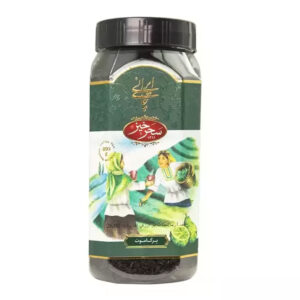
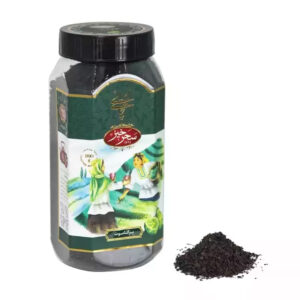
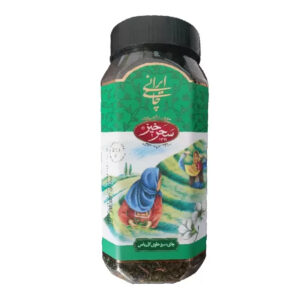
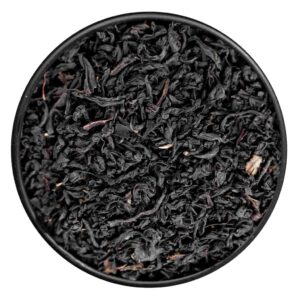
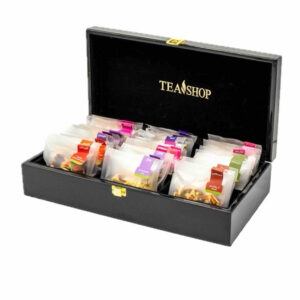
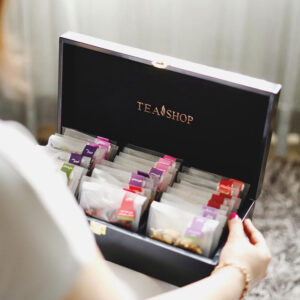
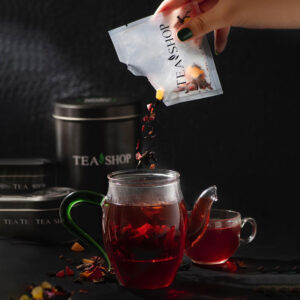

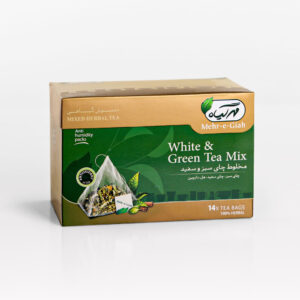
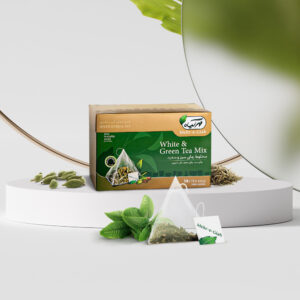
In Iran, brewing a cup of herbal tea (damnoosh) is less of a wellness trend and more of a way of life. Long before the modern wellness industry discovered adaptogens and functional beverages, Iranian families were steeping dried herbs from the mountains of Alborz, the plains of Khorasan, and the gardens of Gilan for everything from a cold evening to a restless night. At Ersaly online store , we bring that tradition to you: authentic Iranian herbal teas sourced directly from Iran, packed by trusted brands, and shipped worldwide.
Iranian Herbal Tea

Iranian herbal tea: known in Farsi as damnoosh is a broad category covering single-herb infusions, traditional blended formulas, and functional teas crafted from medicinal plants that have been part of Persian traditional medicine (Tebb-e-Sonnati) for centuries.
Unlike regular tea, damnoosh contains no Camellia sinensis (the tea plant) so it’s naturally caffeine-free. It’s brewed from dried flowers, roots, seeds, bark, or leaves of plants that each carry distinct therapeutic properties.
What makes Persian herbal tea stand apart from generic herbal infusions sold elsewhere? Geography and tradition. Iran’s diverse climate from humid Caspian coastline to dry central plateau, from alpine mountain slopes to subtropical forests, produces an extraordinary variety of medicinal plants.
Many herbs used in Iranian damnoosh grow wild in regions that haven’t been touched by industrial agriculture, hand-picked at the right season to maximize potency. The blending knowledge comes from generations of hakims (traditional physicians) who understood which herbs complement each other and how to balance flavor with function. herbal tea is so different from iranian black tea, so you should know all herbal tea types first:
Types of Iranian Herbal Tea
Here’s a guide to the most popular Persian herbal teas available at Ersaly and what each one actually does:
Borage Flower Tea (Gol-e-Gav Zaban)
Borage (gav zaban) in Farsi, literally “cow’s tongue” for its broad, rough leaves, is probably Iran’s most beloved herbal tea. Brewed from the delicate blue-purple flowers, it has a mild, slightly sweet floral flavor with a gentle honey-like quality.
Lemon Balm Tea (Be Limoo)
Lemon balm (beh limoo) is one of those herbs that does exactly what its name suggests: it smells and tastes like a gentle, clean lemon, and it makes you feel lighter. Widely used in Iran for stress relief, digestive discomfort, and improving sleep quality, it’s one of the mildest and most universally appealing Persian herbal teas. It’s easy to love even if you’re new to herbal infusions think of it as a gateway damnoosh.
Saffron Tea (Chai Zafaran)
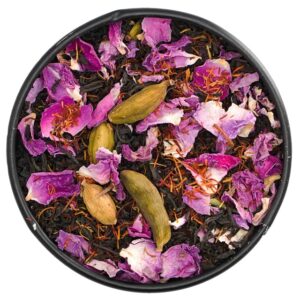
This is Iran’s most luxurious herbal offering. Saffron — the world’s most expensive spice, and one where Iran produces over 90% of global supply is blended with black tea, cardamom, and rose buds to create a tea that is golden in color, deeply aromatic, and genuinely mood-elevating.
Saffron tea bags contains crocin and safranal compounds shown in studies to have antidepressant and anti-anxiety effects. Drinking saffron tea is as much an experience as it is a health choice, it’s the kind of cup you want to savor slowly. you can buy iranian saffron in ersaly shop.
Lavender Tea (Lavender)
Lavender tea is widely used in Iran for sleep and stress relief and it works. The calming effect comes from linalool, a compound in lavender that has been shown to reduce cortisol levels and calm neural activity.
Thyme Tea (Avishan)
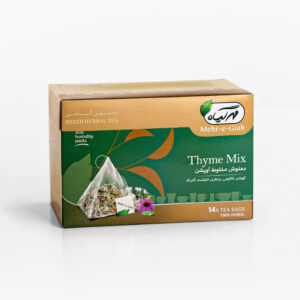
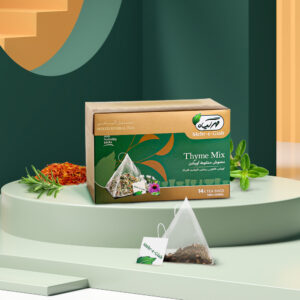
Thyme (avishan) is the Iranian herbal answer to a chest cold. It’s a fragrant, slightly sharp herb from the mint family that grows wild in Iran’s mountain regions, and its tea is one of the most commonly used natural remedies for respiratory complaints: sore throats, congestion, coughs, and immune support.
Chamomile Tea (Baboone)
Chamomile needs little introduction internationally; it’s one of the world’s most recognized herbal teas. But Iranian chamomile, grown in Iran’s cooler highland regions, has a depth of flavor and aroma that mass-produced chamomile teabags rarely match. Persian chamomile tea is used for digestive relief, reducing inflammation, easing menstrual discomfort, and promoting sleep. It’s gentle enough for daily use and genuinely soothing in a way that goes beyond placebo.
Dried Lime Tea (Limu Omani / Omani Lime)
Dried lime tea is one of those distinctly Persian flavors that’s hard to describe until you’ve tried it tart, smoky-sweet, and uniquely complex. Dried Persian limes (limu omani) are a staple of Iranian cooking and medicine, used for digestive health, boosting the immune system, and reducing fever.
As a tea, they produce a dark amber-colored brew with a sharp, tangy flavor that pairs well with honey. It’s an acquired taste for newcomers, but an absolute classic for anyone who grew up with Persian food.
Rose Petal Tea (Golab / Gol-e-Sorkh)
Iran has been producing rose water and dried rose petals for over a thousand years, most famously from the city of Kashan, where the Damask rose (Mohammadi rose) is harvested every spring. Rose petal tea has a delicate, perfumed flavor and a beautiful pale pink color.
In Persian traditional medicine it’s associated with heart health, mood elevation, and skin benefits. It’s also one of the most gifted damnoosh varieties, beautiful to look at, easy to love, and meaningful within the cultural context.
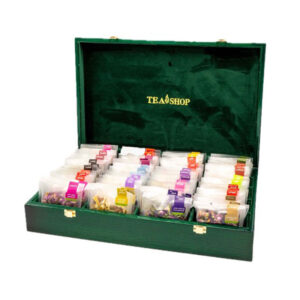
Herbal Tea Box (Damnoosh Gift Box)
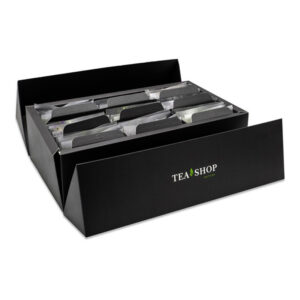
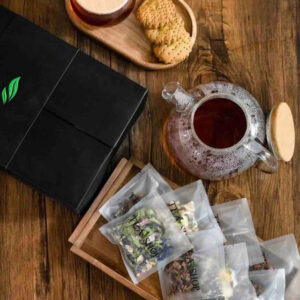
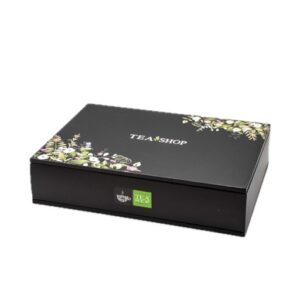
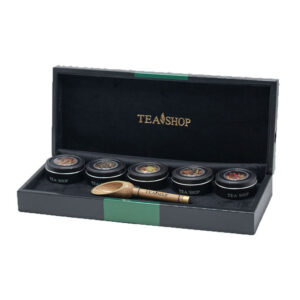
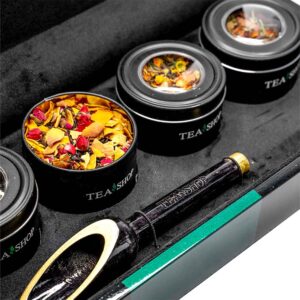
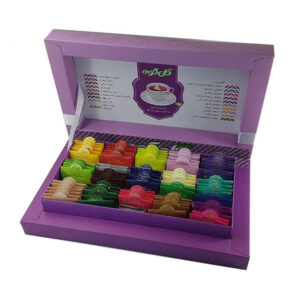
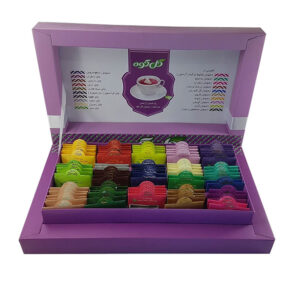
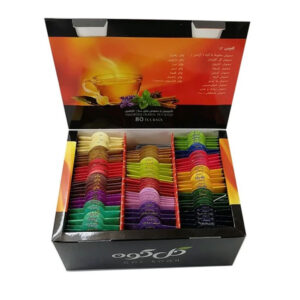
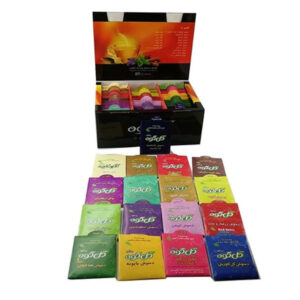
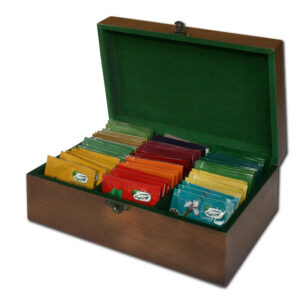
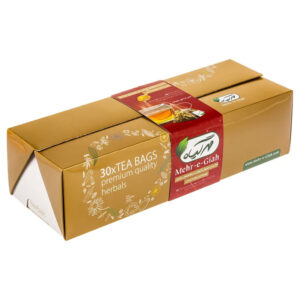
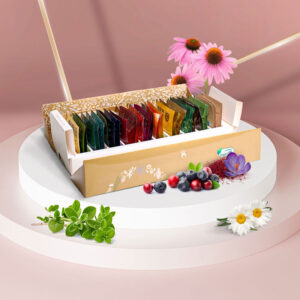
If you want to explore Persian herbal teas without committing to a single variety or if you’re looking for a gift, Ersaly’s herbal tea gift sets are the ideal starting point. Brands like GolKoh offer collections of 16 different blends in a single box, while Mehr-e-Giah and Bahraman put together curated sets of their most popular flavors. These gift boxes are packaged beautifully, making them perfect for sending to someone who appreciates authentic, natural products.
Iranian Herbal Tea Brands

The quality of a herbal tea depends heavily on who made it how the herbs were sourced, dried, blended, and packaged. Here are the main brands you’ll find at Ersaly:
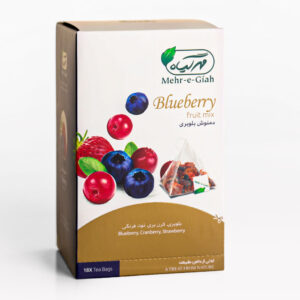
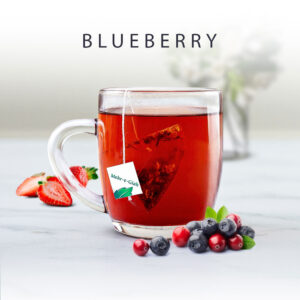
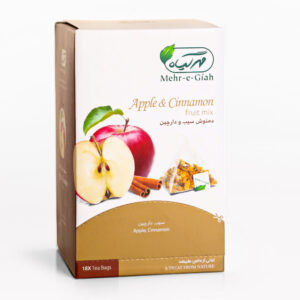
- Mehr-e-Giah: One of Iran’s most respected names in herbal tea, Mehr-e-Giah sources herbs from natural and organic growing regions across Iran and blends them according to traditional Persian medicine principles. Their teas are known for clean flavor, high herb concentration, and consistent quality. If you want a reliable everyday damnoosh, this is the brand to start with.
- Bahraman: The Bahraman brand (associated with Bahraman Saffron) brings Iranian quality standards to both single-herb teas and spiced blends. Their saffron tea bags and ginger-black tea blends are particularly popular. Packaging is tea-bag format for convenience, and each bag is sized for a two-person pot an authentically Iranian touch.
- Newsha Tea: Newsha has built its reputation on clean, functional teas including slimming blends, digestive teas, and herbal infusions for specific health goals. Their products adhere to international food safety standards and are fully vegetarian. A good choice if you’re looking for herbal teas with a specific wellness purpose.
- GolKoh: Known for their premium gift collections, GolKoh’s herbal teas are developed in collaboration with Persian herbal medicine experts and use tissue-culture sourcing technology to ensure purity. Their 16-blend gift set is one of Ersaly’s most popular tea products.
How Much Does Iranian Herbal Tea Cost?
Iranian herbal teas at Ersaly are priced from approximately €8 to €90, depending on the type, brand, and format. Here’s what determines the price:
- Single-herb tea bags (€8–€15): A box of 20–30 tea bags of a standard herb like chamomile, lemon balm, or thyme is the most affordable entry point. These are practical, convenient, and excellent quality for everyday drinking.
- Specialty and spiced blends (€12–€25): Teas that include premium ingredients saffron, dried rose petals, cardamom, or lemon balm in proprietary blends cost more due to ingredient value. Saffron tea in particular reflects the cost of real saffron, which is never cheap.
- Loose-leaf herbal teas (€10–€20): Loose herbal teas generally offer more herb per gram than tea bags and allow you to adjust brewing strength. They require an infuser or strainer but deliver a more potent and flavorful result.
- Gift sets and collections (€20–€90): Multi-variety gift boxes like GolKoh’s 16-blend collection or Mehr-e-Giah’s curated sets, are priced at a premium for packaging quality and variety, but represent excellent value per cup compared to buying varieties individually.
Where Can I Buy Iranian Herbal Tea?
Outside Iran, finding genuine Persian herbal tea not generic chamomile rebranded with a Persian-sounding name is harder than it should be. Most specialty stores carry limited selections, and the quality is inconsistent.
Ersaly ships authentic Iranian herbal teas directly from Iran to customers worldwide including the United States, United Kingdom, UAE, Australia, Canada, Germany, France, Sweden, and dozens of other countries. Orders are processed immediately upon confirmation and typically arrive within 7–16 days with full tracking. All shipments include customs documentation and are fully insured.
Benefits of Iranian Herbal Tea for Health
- Persian herbal teas aren’t just a pleasant beverage — they’re a centuries-old pharmacopoeia in cup form. Here’s a summary of the most well-supported health benefits across the range:
- Stress and anxiety relief — Lemon balm, lavender, and borage flower are all backed by both traditional use and modern research for their calming effects on the nervous system. Regular consumption can help reduce cortisol levels and improve general mood.
- Better sleep — Lavender, chamomile, and valerian-based blends are among the most evidence-backed natural sleep aids available. Unlike pharmaceutical sleep aids, they don’t cause dependency or morning grogginess.
- Digestive health — Dried lime, chamomile, ginger, fennel, and caraway are traditionally used — and clinically supported — for reducing bloating, easing indigestion, and supporting healthy gut function.
- Immune support — Thyme, ginger, rosehip, and elderflower teas are high in Vitamin C and antioxidants that support the immune system. Thyme tea in particular has direct antimicrobial properties effective against respiratory pathogens.
- Anti-inflammatory and antioxidant effects — Most Iranian herbal teas — especially borage, saffron, rose petal, and chamomile — are rich in polyphenols and flavonoids that combat oxidative stress and inflammation, which underlie most chronic diseases.
- Mood elevation — Saffron’s active compounds (crocin, safranal) have been studied for antidepressant effects comparable in mild-to-moderate cases to prescription medication, with a dramatically better side-effect profile.